

LASIK Surgery: A Complete Guide to Laser Eye Vision Correction
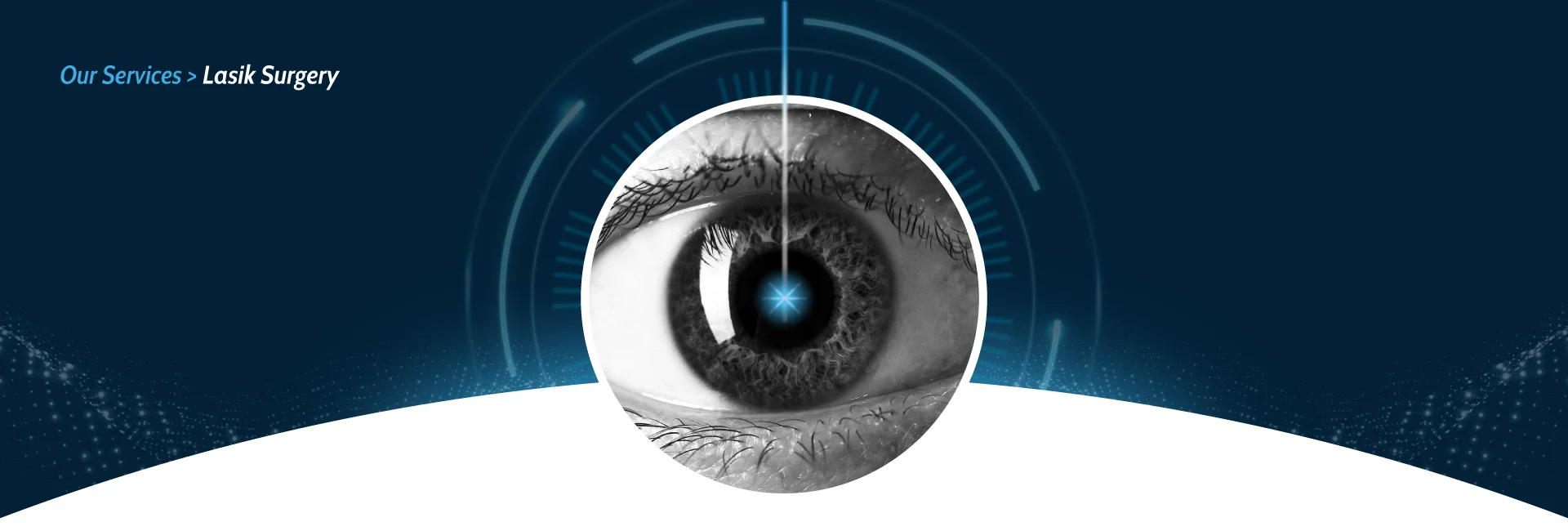
If you are tired of depending on glasses or contact lenses, LASIK surgery may be an option worth discussing with an experienced eye specialist. LASIK, or Laser-Assisted In situ keratomileusis is a refractive eye procedure that reshapes the cornea to improve the way light focuses on the retina. Its goal is to reduce dependence on glasses or contact lenses.
Table of Contents
At CureSight, patients can discuss their vision requirements and suitability for laser vision correction with qualified eyecare professionals. Every eye is different, so a detailed eye examination is essential before deciding whether LASIK is appropriate.
What is LASIK surgery?
LASIK surgery is a laser vision correction procedure designed to correct common refractive errors. During the procedure, the cornea is precisely reshaped so that incoming light can focus more accurately on the retina.
Traditional LASIK involves creating a thin corneal flap, reshaping the underlying corneal tissue with an excimer laser, and repositioning the flap. The procedure is generally performed using numbing eye drops rather than general anesthesia.
Modern laser vision correction can be highly precise, but LASIK surgery is not suitable for everyone. A comprehensive assessment of corneal thickness, eye health, prescription stability, tear production, and other factors helps determine whether the procedure is appropriate.
Which Type of Eye Conditions Does LASIK Treat?
LASIK eye surgery primarily treats refractive errors, including myopia, hyperopia, and astigmatism. The exact suitability and treatment range depend on the individual’s prescription, corneal health, and the technology being used.
Nearsightedness (Myopia)
People with myopia can usually see nearby objects clearly but may have difficulty seeing distant objects. LASIK laser eye surgery can reshape the cornea to help light focus correctly on the retina and potentially reduce dependence on glasses or contact lenses.
Farsightedness (Hyperopia)
With hyperopia, nearby objects may appear less clear, while distance vision can also be affected depending on the degree of refractive error. LASIK may correct selected cases of hyperopia after a detailed assessment.
Astigmatism
Astigmatism occurs when the cornea has an irregular curvature, which can cause blurred or distorted vision. In suitable patients, laser vision correction can reshape the cornea to improve the focusing of light.

How to Prepare for LASIK Surgery
Proper preparation is an important part of successful LASIK eye surgery. Your eye specialist will perform detailed measurements and examine the overall health of your eyes.
Before surgery, your doctor may assess:
- Your current glasses or contact lens prescription
- Whether your prescription has remained stable
- Corneal thickness and shape
- Tear production and dry-eye symptoms
- Pupil size
- Existing eye conditions
- General health and medications
Contact lens wearers may need to stop wearing lenses for a specified period before measurements or surgery, depending on the type of lenses and your doctor’s instructions.
Patients should also discuss their expectations honestly. LASIK is intended to reduce dependence on glasses or contacts, but it does not guarantee perfect vision for every person.
LASIK Surgery Procedure
The LASIK surgery procedure is typically performed in several stages.
First, numbing eye drops are applied to make the procedure comfortable. The surgeon then creates access to the corneal tissue, traditionally by creating a thin flap. A computer-controlled excimer laser reshapes a precise amount of corneal tissue according to the patient’s prescription. The flap is then repositioned.
Another option is femto LASIK surgery, where a femtosecond laser is used to create the corneal flap instead of a mechanical blade. Whether Femto LASIK is appropriate depends on the patient’s eye characteristics and the surgeon’s assessment.
The actual laser treatment is usually brief, but the complete appointment includes preparation, measurements, treatment, and immediate post-operative instructions.
LASIK Surgery Side Effects
Like any surgical procedure, LASIK surgery can have side effects. Many are temporary and improve during the healing period, while some can persist in certain patients.
Dry Eyes
Dryness, irritation, or a gritty sensation can occur after LASIK. Existing dry-eye problems may become worse, so tear production and ocular surface health should be assessed before surgery.
Glare and Halos
Some patients experience glare, halos, starbursts, or other visual symptoms, particularly in low-light conditions. These symptoms may affect night vision in some individuals.
Fluctuating Vision
Vision may fluctuate during the initial healing period. Some patients may also experience temporary blurring or changes in visual quality.
Who is Not Recommended for LASIK Surgery?
Not everyone is an ideal candidate for LASIK eye surgery. LASIK may not be recommended for people with certain corneal conditions, unstable prescriptions, significant dry eye, or health conditions that could interfere with healing. Pregnancy and breastfeeding can also be reasons to postpone treatment because vision can fluctuate.
People with conditions such as keratoconus, certain eye diseases, previous eye injuries or surgeries, or very thin corneas require careful evaluation. Patients involved in contact sports should also discuss the additional considerations with their eye specialist.
Therefore, the answer to “Is LASIK surgery safe?” depends on the individual. LASIK has an established safety record, but it is not risk-free, and proper patient selection is one of the most important factors.
LASIK Surgery Recovery Time
Recovery after LASIK laser eye surgery varies from person to person. Vision can be blurry or fluctuate immediately after treatment, and temporary dryness, irritation, or light sensitivity may occur.
Many patients notice substantial visual improvement early in the recovery period, but the eyes continue to heal, and vision can stabilize over time. Your surgeon will provide specific instructions regarding eye drops, eye protection, exercise, swimming, eye rubbing, and follow-up visits.
It is important not to judge the final outcome immediately after surgery. Follow-up examinations help your eye specialist monitor healing and visual results.
Risks of LASIK Surgery
Although LASIK is commonly performed, there are potential risks. These can include undercorrection, overcorrection, dry eye, glare, halos, reduced contrast sensitivity, infection, inflammation, and other complications. In uncommon cases, serious visual complications can occur.
For this reason, patients should not choose a clinic solely because of price or promotional claims. A detailed consultation, appropriate diagnostic testing, and a clear understanding of benefits, limitations, and risks are essential before treatment.
Types of LASIK Surgery
There are different approaches to laser vision correction, and the most appropriate option depends on your eyes.
Femto LASIK Surgery: Uses a femtosecond laser to create the corneal flap and an excimer laser for corneal reshaping.
Flapless LASIK: Flapless laser vision correction techniques avoid creating a traditional LASIK flap. The exact procedure and recovery can differ from conventional LASIK.
Silk LASIK: SILK is a newer form of laser vision correction that uses a small-incision approach rather than a traditional LASIK flap. Suitability depends on the patient’s eye measurements, prescription, and clinical assessment.
Your eye surgeon can explain which procedure is appropriate after examining your cornea and overall eye health.
Eye LASIK Surgery Near Me
If you are searching for eye LASIK surgery near me, it is important to look beyond location and compare the quality of the eye examination, surgeon experience, available technology, patient suitability assessment, and follow-up care.
At CureSight, patients can discuss their vision concerns and explore whether LASIK surgery or another vision-correction option may be appropriate for them. Visit CureSight to learn more and arrange a professional consultation.
FAQ
1. Does laser eye treatment or vision correction last a lifetime?
LASIK permanently reshapes the cornea, but that does not mean vision will remain unchanged throughout life. Age-related changes such as presbyopia can still occur, and some people may require reading glasses later.
2. Who is not suitable for the LASIK eye surgery procedure?
People with unstable prescriptions, certain corneal abnormalities, significant dry eye, some medical conditions affecting healing, or certain eye diseases may not be suitable. A complete eye examination is necessary to determine candidacy.
3. What must I expect before a laser eye treatment?
Expect a detailed eye examination, corneal measurements, discussion of your medical and eye history, assessment of your prescription, and a conversation about the benefits, limitations, and possible risks of treatment.
4. How long do the eyes take to recover after the laser eye operation?
Initial visual recovery can be quick, but complete stabilization varies between patients. Temporary dryness, blurred vision, light sensitivity, or fluctuating vision may occur during healing. Follow your surgeon’s post-operative instructions and attend scheduled reviews.
5. What is the reason for blurry vision after laser eye treatment?
Blurred or fluctuating vision can occur during the early healing period because the cornea is adapting after treatment. Dryness and other temporary changes in the ocular surface can also affect visual clarity. Persistent or worsening symptoms should always be evaluated by your eye specialist.
6. Does LASIK have an age limit?
LASIK is generally considered for adults, and the FDA states that LASIK lasers are not approved for people under 18. Suitability at an older age depends on overall eye health and the individual’s vision needs.
7. How does one immediately feel after a laser eye operation?
Some patients experience watering, irritation, light sensitivity, or a sensation similar to having something in the eye shortly after treatment. These symptoms generally improve as the eyes heal.
8. How will I keep my eyes open during the laser eye treatment?
Numbing eye drops are used, and the procedure is performed with the patient positioned carefully under the laser. Your surgical team will guide you throughout the treatment.
9. Can laser eye treatment fix blurred vision?
LASIK can correct blurred vision caused by certain refractive errors, including myopia, hyperopia, and astigmatism. However, blurred vision can have many causes, so an eye examination is essential before determining whether LASIK can help.